When salespeople are expected to set their own calls, appointment conversion often slips for one simple reason: lead follow-up becomes a task they handle only when time allows. On a busy sales floor, time rarely allows. New leads, missed calls, texts, and older prospects can sit too long while salespeople work customers who are already in front of them.
We see this issue in dealerships of all sizes. Salespeople may know the inventory and sales process well, but appointment setting requires speed, repeatable follow-up, and clear ownership. Without those pieces, every unowned lead can become a revenue leak.
Every Unowned Lead Becomes a Revenue Leak
Lead response is not something that should wait until a salesperson gets a free moment. A shopper who submits a form, calls after hours, or replies to a previous message is actively deciding where to buy. If your store is slow to respond, another dealership may be faster.
The problem is not always lead quality. Many dealerships already have opportunities in their CRM, but the process around those opportunities is uneven. One lead gets a fast call and several follow-ups. Another gets a single text, then no response for days.
That inconsistency affects the full sales pipeline:
- Fewer leads are contacted while interest is high
- Fewer conversations turn into scheduled visits
- More appointments are left unconfirmed
- More shoppers disappear before a salesperson meets them
The business question is straightforward: Are you holding salespeople accountable for appointment conversion, or asking them to manage a process they do not have the capacity to run consistently? Those are not the same thing.
Floor Demands Put Follow-up at Risk
Even strong, motivated salespeople get pulled in many directions. They may be greeting walk-ins, taking customers on test drives, presenting numbers, delivering vehicles, attending meetings, or responding to a manager request. When the showroom is busy, the phone, CRM tasks, and new internet leads can quickly move to the bottom of the list.
Speed matters because it shapes a shopper's first impression. A fast, professional response tells a prospect that your dealership is available and prepared. Waiting several hours, or receiving a reply the next day, can make the store feel disorganized or uninterested. That is especially risky when buyers are contacting several dealerships at once.
Follow-up also tends to fall off after the first attempt. A salesperson may call once, leave a voicemail, send one text, and then move toward a more immediate opportunity. Yet appointment conversion usually requires repeated outreach across calls, texts, emails, and voicemail messages. Each touchpoint needs a clear reason for the customer to respond and commit to a visit.
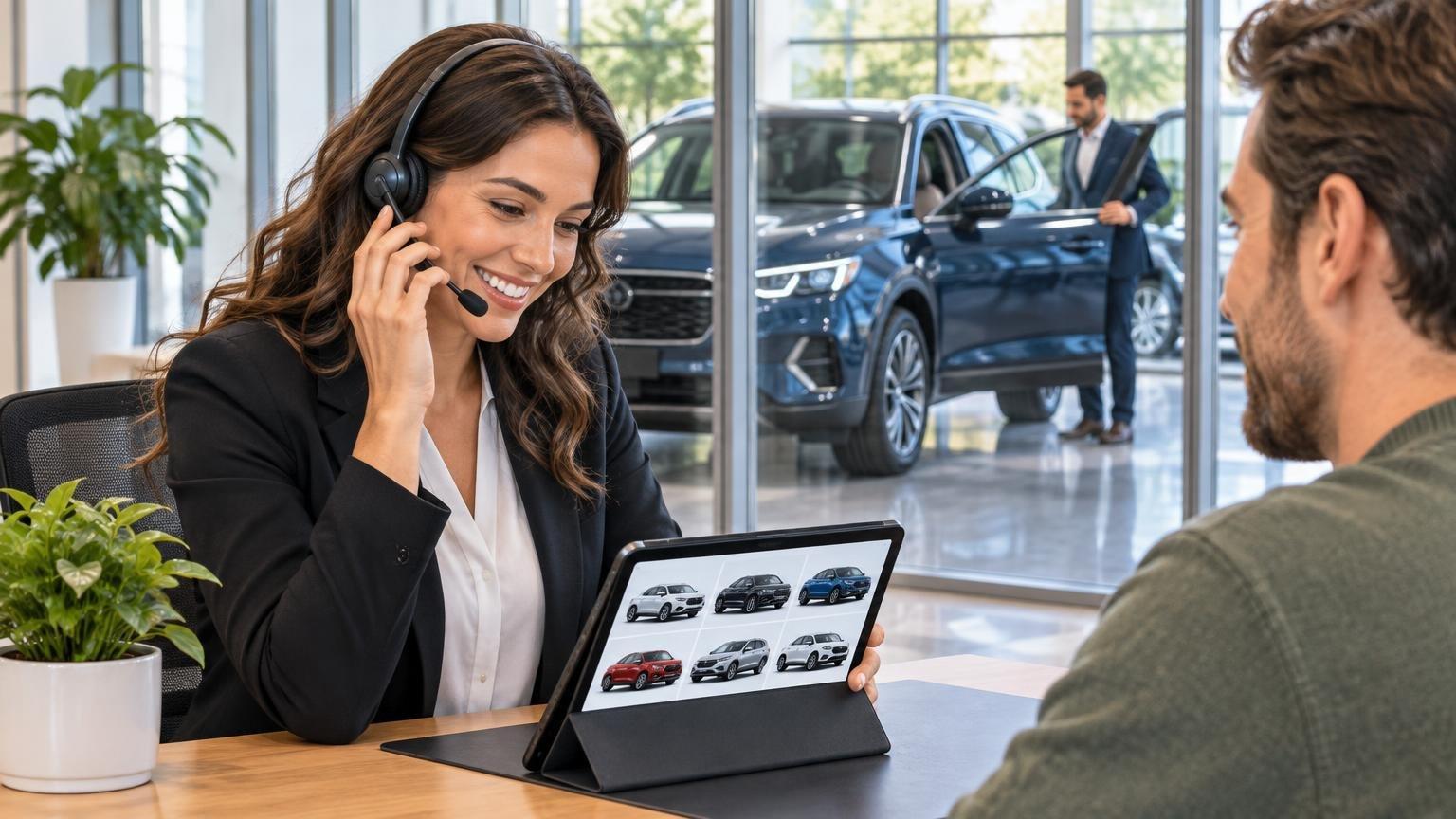
Dedicated BDC support protects the sales team's time while keeping follow-up moving. We do not view that support as a replacement for the sales floor. It is a way to deliver better-qualified, confirmed appointments so salespeople can focus on the customer in front of them.
Weak Appointment Processes Create Avoidable No-Shows
An appointment request is not the same as a true appointment. "I might stop by Saturday" may sound encouraging, but it does not create a dependable showroom opportunity. A real appointment includes a specific date and time, a clear vehicle or service need, and an agreed-upon next step.
Confirmation is where many processes break down. Without reminder texts, phone calls, email confirmations, and day-of outreach, shoppers may forget, change plans, or decide not to make the trip. A consistent confirmation process gives your team a chance to address barriers before the appointment disappears.
Strong appointment handling should capture details such as:
- The vehicle, service need, or buying goal
- Trade-in status and budget concerns
- Questions about availability or financing
- The preferred appointment time and contact method
- Notes from every prior conversation
Handoffs matter just as much. If the salesperson receiving the appointment has no notes, the customer may have to repeat everything they already shared. That creates friction before the sales conversation has even started. A dealership appointment conversion service can standardize appointment definitions, confirmation steps, CRM documentation, and sales-floor handoffs.
Dedicated Specialists Create a Controlled Process
A dedicated representative can focus on the actions that move leads forward: fast responses, inbound call handling, missed-call recovery, outbound calls, text engagement, email follow-up, appointment confirmations, and older-lead reactivation. Because these activities are their main responsibility, managers can measure performance against clear daily and weekly expectations.
Process discipline also gives leadership better visibility. Our teams can follow dealership-approved messaging, objection-handling guidance, CRM workflows, and escalation rules. Instead of guessing whether a lead was worked, you can see contact attempts, conversations, appointment activity, and where prospects are dropping out.
That structure supports better use of the leads you already pay to acquire. When follow-up is consistent, salespeople spend less time chasing cold records and more time working showroom customers and closing deals. The right outsourced BDC partner also understands that automotive conversations involve inventory timing, trade-ins, finance questions, service-lane opportunities, and the need for clean CRM records.
Year-End Volume Reveals Funnel Weaknesses
Late November and December can expose every gap in a dealership's lead process. Holiday promotions, Black Friday traffic, year-end incentives, staffing changes, and customer urgency can all increase activity at the same time. If appointment coverage is loose, valuable opportunities may be missed during a highly competitive selling period.
Before January, we recommend reviewing the areas that show where leads are getting lost:
- Response times for new internet leads and inbound calls
- Unanswered calls and missed-call recovery activity
- Appointment set rates, confirmation activity, and show rates
- Aging leads, unsold showroom traffic, and inactive CRM records
Year-end is also a practical time to strengthen outreach without depending only on new advertising. Database mining, service-to-sales conversion, unsold lead reactivation, equity outreach, and missed-call follow-up can uncover appointment opportunities already sitting in your CRM.
Make Appointment Performance a Managed Revenue System
Appointment setting should be managed as a revenue function, not treated as an informal extra task for the sales floor. When ownership is unclear, follow-up is delayed, documentation is incomplete, and results become hard to measure. We help dealerships bring structure to inbound lead handling, outbound follow-up, database activity, and appointment pipeline management.
The practical takeaway is simple: review how quickly leads are answered, how often they are contacted, how appointments are confirmed, and what happens before the customer arrives. A controlled process gives your team a clearer view of where opportunities are being lost, and where stronger follow-up can turn existing lead volume into more showroom conversations.
Increase Appointment Sets With Consistent Follow-Up
Epic BDC provides a dealership appointment conversion service built to respond faster, follow up consistently, and keep leads moving toward confirmed appointments. Our team gives your sales department a structured process without adding more call responsibilities to individual salespeople. Contact us to discuss how we can improve appointment performance and help your dealership convert more of the leads it already receives.