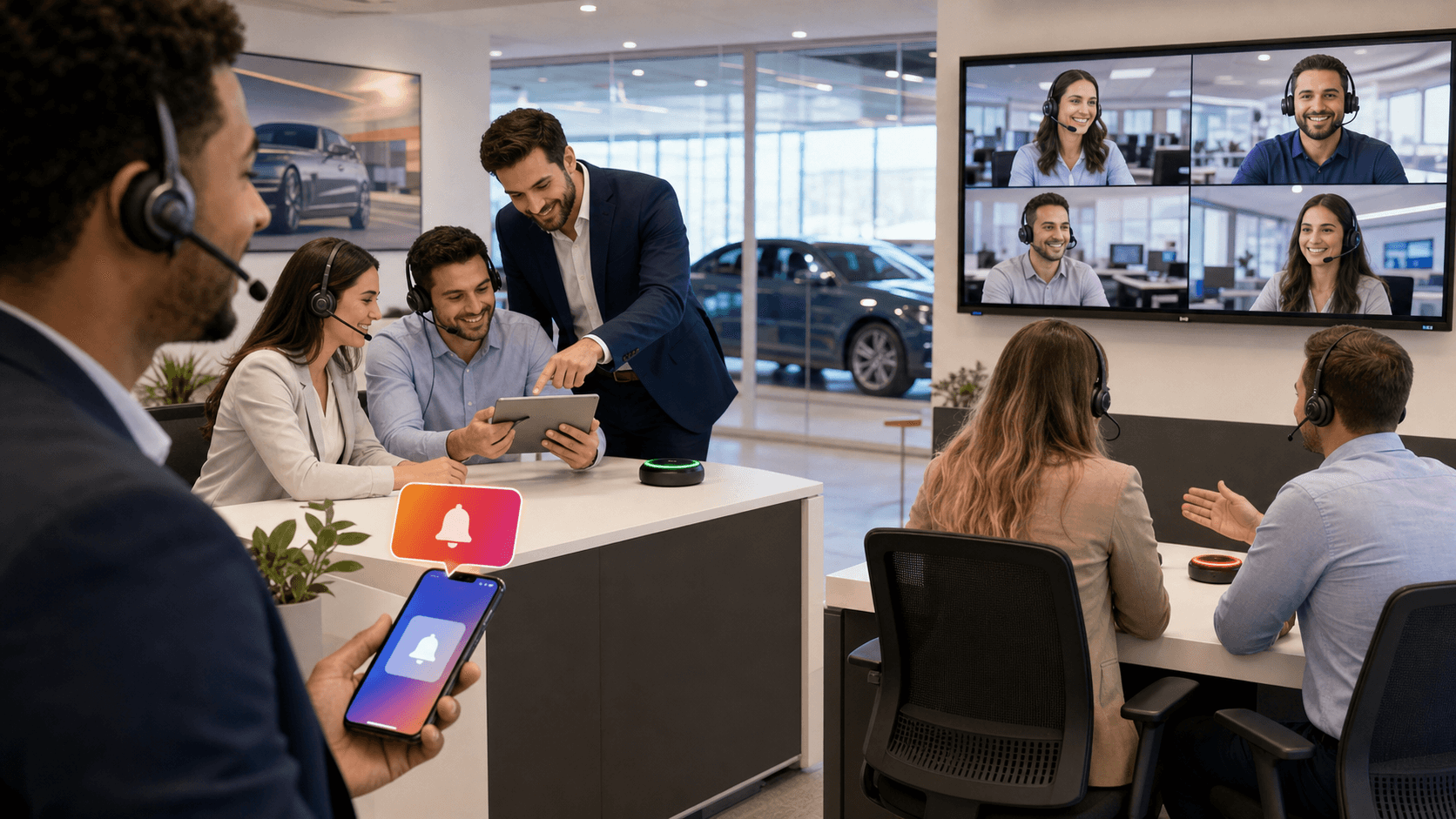
Speed-to-Lead Is the New Frontline in Your Market
Fast response wins deals. When shoppers hit your site or a third-party marketplace and submit a lead, they are ready to talk to someone right now. The first store that reaches them with a real conversation usually wins the appointment, not the one that spent the most on ads.
When your team waits even a few minutes, that lead starts slipping away. A delay of 10 or 15 minutes gives shoppers time to click to another dealer, call someone else, or just go back to work and forget about the car. That lag quietly turns paid leads, PPC, and social campaigns into sunk costs.
This is why speed-to-lead has become a true showdown between in-house BDC teams and dealership BDC outsourcing partners. As late summer hits, with model year changeover and year-end goals already on your mind, the store that covers leads fastest and most consistently will stack more appointments, shows, and sold units.
Where In-House BDCs Fall Behind on Speed and Coverage
Most in-house BDCs do not lose because they are lazy. They lose because the structure fights against speed. People go on break, grab lunch, get pulled into meetings, or end up chasing delivery issues. Every time that happens, coverage drops and fresh leads sit.
Common bottlenecks we see inside stores:
- Breaks, lunch, and shift gaps that leave phones ringing
- Salespeople sharing BDC duties and getting pulled to the floor
- High turnover that resets training over and over
- Meetings and side tasks that eat into call blocks
Those gaps turn into slow first contact. Shoppers hit voicemail, emails wait in the CRM, and by the time someone calls back, the shopper is already cold or booked somewhere else. Missed calls often stay missed, and follow-up becomes reactive instead of planned.
Then there is the follow-up discipline problem. When everything is manual, results depend on who is on shift and how they feel that day. Without clear scripting and tracking, you end up with:
- Random call attempts and uneven persistence
- Weak handling of price questions and credit concerns
- Stale CRM records full of half-finished tasks
- Missed call recovery that never really happens
The cost of that in-house BDC is much higher than just hourly pay. Dealers cover recruiting, training, coaching, benefits, taxes, and software seats. When you stack that against the actual output in calls, contacts, and set appointments, many stores realize they are paying a lot for very inconsistent coverage.
How Outsourced BDC Coverage Changes the Speed-to-Lead Game
A performance-focused outsourced BDC is built around speed and consistency. The entire team is hired, trained, and managed with one main goal: to attack new leads and missed calls quickly, then follow up with discipline until there is a clear answer.
Instead of juggling floor duties and delivery issues, an outsourced team provides:
- Dedicated coverage into evenings and weekends
- Strong backup during high-traffic campaigns and tax season spikes
- Fast first response on web, third-party, and phone leads
- Real missed call recovery, not just a partial effort
Process is the other big shift. A good dealership BDC outsourcing partner runs clear workflows for every type of lead. That usually includes:
- Immediate callbacks on fresh leads with tight response targets
- Multi-channel touches, phone, text, and email, not just one call
- Structured follow-up over days and weeks, not random dials
- Database mining and reactivation of old leads and prior customers
When this is done well, speed-to-lead improves and so does the whole sales pipeline. New leads get reached faster, more appointments get set, and more of those appointments actually show. The CRM stays cleaner, which helps you plan inventory, staffing, and future marketing with more confidence.
Dealership BDC Outsourcing vs. In-House: A Performance Scorecard
If we line up in-house BDC against an experienced outsourced team, the real story shows up in a few simple categories.
Speed, coverage, and consistency:
- In-house, response time often swings depending on who is on shift
- Outsourced, coverage is planned around peak hours and campaigns
- In-house, follow-up fades over time as staff gets busy
- Outsourced, follow-up cadence is defined and enforced
Quality of conversations also matters. Specialized automotive and powersports scripting means agents know how to talk about trade values, payments, and inventory without stepping on the sales team. That usually leads to:
- Clear appointment offers instead of vague "stop by sometime" talk
- Strong handling of "I'm just looking" or "send me your best price"
- Better show rates because expectations are set correctly
Scalability is where many stores feel the difference. As seasons shift in Texas heat, when summer events, tax refunds, or model-year clearance hit, volume can jump fast. An outsourced BDC can usually flex capacity across:
- Big sales pushes and tent events
- Multi-rooftop groups that need shared coverage
- Sudden marketing wins that spike lead volume
All without you scrambling to hire, train, and seat more people.
Case Study Style Scenario Turning Missed Leads Into Sold Units
Picture a mid-sized franchise or independent store that has strong traffic but weak conversion. Leads come in all day from the website and third-party sites. The in-house BDC and sales team try to keep up, but response times drift to almost an hour during busy periods.
Fresh leads often:
- Get one call and a generic email
- Hit voicemail because reps are at lunch or pulled to the floor
- Sit in the CRM with no real plan for reactivation
Now switch to a setup with a performance-focused outsourced BDC. The store keeps sales on the floor, working deals and deliveries, while the external team takes over speed-to-lead, follow-up cadence, missed call recovery, and database mining.
The new structure looks more like this:
- Fresh web leads get a live call in just a few minutes
- A clear multi-touch plan mixes phone, text, and email
- Missed calls are returned quickly with purpose, not just "sorry we missed you"
- Old unsold leads and prior customers are mined for fresh opportunities
Over the next few months, response time drops from almost an hour to only a few minutes. Appointment set rate climbs, more appointments actually show, and monthly sold units rise without a big change in ad spend. The store sees real net profit gains tied directly to better speed-to-lead and disciplined follow-up.
Build a Speed-to-Lead Strategy That Does Not Miss Money
To decide if dealership BDC outsourcing makes sense, leaders need clear numbers. Start by defining and tracking a few simple KPIs that tie directly to revenue:
- Average response time on fresh leads
- Contact rate on new and aged leads
- Appointment set rate and show rate
- Close rate from set appointments
- Revenue from reactivation and database campaigns
Once you can see those numbers, it gets easier to decide what belongs in-house and what should be handled by a partner. In most stores, internal teams add the most value on:
- Floor ups and walk-ins
- In-person appointments and test drives
- Working deals and deliveries
An outsourced BDC tends to win on:
- High-volume calling and texting
- Structured follow-up over longer time frames
- Missed call recovery and after-hours coverage
- Database mining across sales and service
A smart next move is to run side-by-side performance comparisons with a partner like Epic BDC. Set clear targets for response time, appointments, and closed deals heading into late summer and the year-end push. Then see, in real numbers, which model turns more leads into actual sold units.
Accelerate Your Dealership Growth With a Proven BDC Partner
If you are ready to capture more leads and convert more calls without adding overhead, our team at Epic BDC is here to help. Explore how our dealership BDC outsourcing solution can integrate with your current operations and lift results quickly. We will walk you through what to expect, outline clear performance goals, and tailor a plan to your store's needs. Have questions or want to talk through specifics one-on-one? Simply contact us to get started.