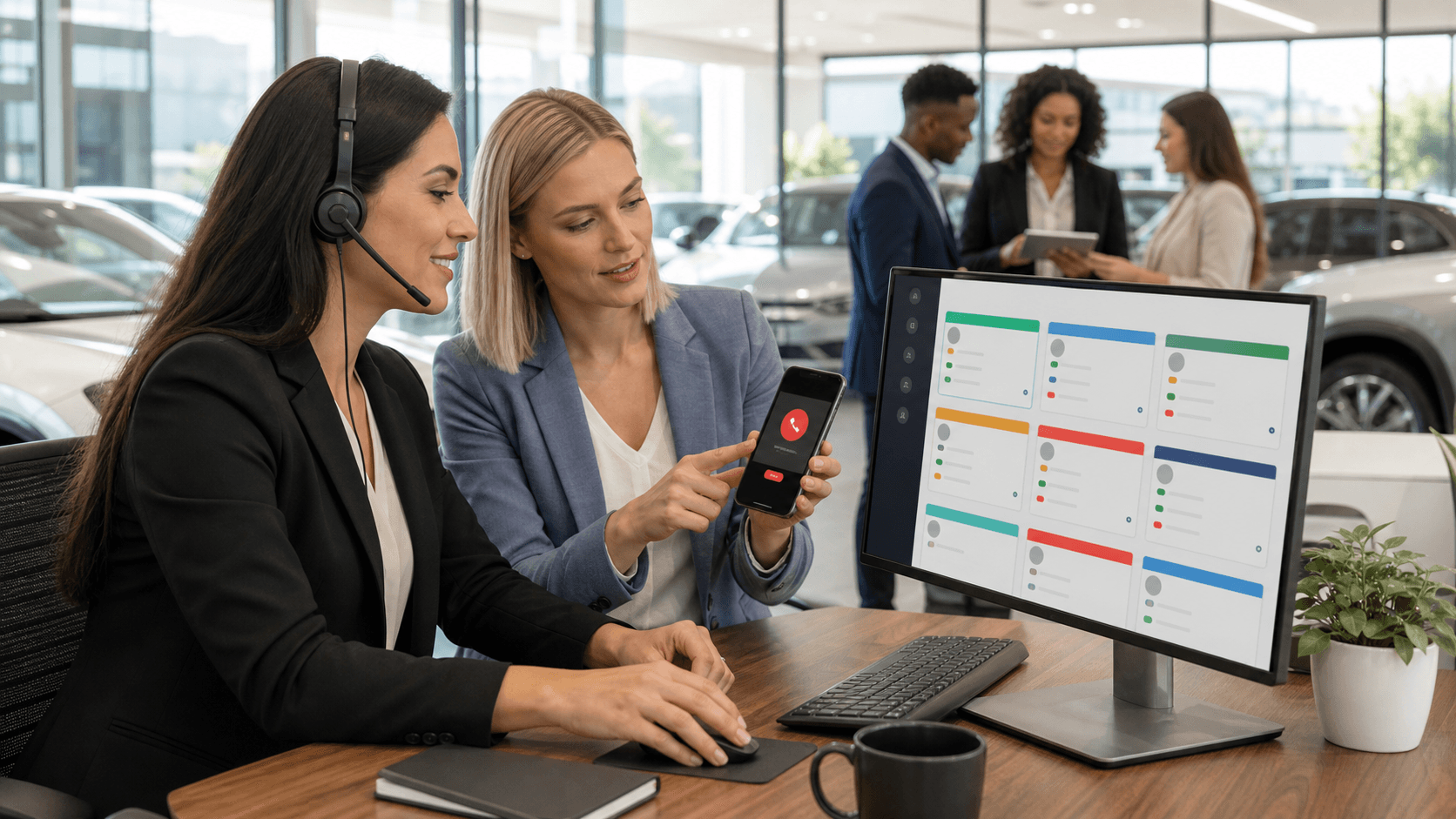
Missed calls are not just a minor headache. They are lost appointments, weak OEM metrics, and aged inventory sitting on the lot longer than it should. When the phones light up during a Labor Day or fall push and no one owns those abandoned calls, your month-end starts shrinking fast.
In many dealerships, the phones ring off the hook while the sales floor is short-staffed. Voicemails pile up. Call tracking shows one story, the CRM shows another, and your texting tools hold a third. No one has a clean, fast way to see which missed calls are real leads, who owns them, or how quickly they were called back. In this guide, we walk through how to build a disciplined, automated missed-call triage system that flags abandoned calls, de-dupes the lead, and routes it to the right team in under five minutes, whether you run your own BDC or partner with an outsourced team.
Why Missed-Call Triage Drives Real Revenue
Missed calls are not "phone cleanup," they are high-value lead recovery. One abandoned call might be:
- A shopper ready to book a test drive
- A service client about to approve a big-ticket RO
- A buyer asking about warranties, F&I, or accessories
If that person never hears back, you are not just missing one sale. You are losing repeat service visits, referrals, and future upgrades.
Speed to lead drops fast with every minute that passes. Many stores respond to missed calls hours later or even the next day. By then, the shopper has called another dealer or cooled off. When you hold your team to a standard of missed-call triage and callback in under five minutes, your agents catch people while they are still in research mode, still near their phone, and still ready to talk. That does more for closing ratios than another batch of paid leads or a bigger promo.
Missed-call triage is also one of the fastest levers you can pull for dealership missed opportunity recovery. You are not guessing about new ad sources or hiring more people. You are working the demand that already exists, inside leads you already paid for.
How to Build a <5-Minute Missed-Call Triage Workflow
First, you need the tech pieces talking to each other in real time. That usually means:
- Call tracking that shows every inbound, missed, and abandoned call
- Phone system logs for ring time and results
- CRM integrations so calls can create or update lead records
- Connections to OEM leads, website forms, chat, and third-party sources
The goal is simple: when a call comes in and does not land with a person, it should trigger an event your team can see and act on within minutes.
Next, build a clear triage playbook. You need rules such as:
- What counts as an "abandoned" call? (For example, more than a few seconds of ring with no answer, or caller hanging up before voicemail.)
- When do you create a new lead vs. attach the call to an existing record?
- Who owns the follow-up: sales BDC, service BDC, internet team, or sales floor?
- What task or campaign fires once the lead is assigned?
On top of that, set real operational standards. For example:
- SLA: every abandoned call reviewed and assigned within 5 minutes
- Script: a tight callback opener that acknowledges the missed call and moves quickly to an appointment or next step
- Escalation: clear path for hot leads like fresh trades, subprime, or live internet shoppers
Without SLAs and scripts, you just have data. With them, you have a repeatable process.
De-Duping Leads and Routing Them to the Right Team
If your triage just creates more messy records, your BDC will waste time chasing the same person under three different profiles. Smart de-duplication is key. Your CRM rules should check:
- Phone number matches
- Email address, if available
- Recent contact history and last lead source
If a shopper called about a specific vehicle yesterday and calls back today, that should roll up under the same lead, not create a fresh one that hides the true story.
Once the lead is clean, routing matters. A tight system sends:
- Sales-ready buyers to a sales BDC or internet team
- Equity and upgrade opportunities to a retention or upgrade team
- Service-related calls to service BDC or advisors
Each group runs its own scripts, cadence, and KPIs. This prevents "lead chaos," stops salespeople from cherry-picking only the easy stuff, and keeps your reporting honest. Clean ownership lets you forecast appointments, shows, and sold units with more confidence.
Turning Missed Calls Into Appointments and Sold Deals
The callback itself has to do more than say, "Just returning your call." The first 20 to 30 seconds set the tone. Strong agents will:
- Quickly acknowledge the missed call
- Confirm the reason for the call, if known, or ask a clear question to uncover it
- Offer a specific next step, like locking in a time to visit or a short video walkaround
For missed calls that do not answer, the follow-up plan matters. A simple pattern might include:
- Several call attempts, spaced out over the first day
- Text messages that are short, clear, and tie back to the original intent
- Light email follow-up for shoppers who came from digital sources
The goal is to recover intent while it is still warm, not chase for weeks. Many automotive and powersports dealers that lock in this type of process see more appointments per month from the same traffic, stronger show rates, and higher gross from deals that once would have been lost in voicemail.
In-House BDC or Outsourced Partner for Missed-Call Recovery
Many stores try to handle missed calls with whoever is free on the floor. That usually leads to gaps, especially early mornings, evenings, and weekends. In-house BDC teams often fight limited hours, high turnover, and training gaps that make it hard to keep a five-minute standard.
An outsourced BDC can bring consistent coverage and process discipline. A good partner will:
- Standardize scripts and follow-up cadences across all rooftops in your group
- Enforce clear SLAs for missed calls and other inbound leads
- Track KPIs like speed to lead, contact rate, appointments set, and show rate
Because missed-call triage is part of a larger lead management system, you also get better accountability. Leaders can see which channels drive abandoned calls, which teams recover them best, and where coaching is needed.
When you treat dealership missed opportunity recovery as a core process, especially during busy fall selling and holiday push periods, you stop letting missed calls quietly drain your month. Instead, you turn those calls into a reliable source of appointments, shows, and sold deals that support your long-term growth.
Recover Every Missed Lead and Grow Your Dealership's Bottom Line
If you are tired of watching unsold leads quietly slip away, our team at Epic BDC is ready to help you turn them into measurable revenue with targeted dealership missed opportunity recovery. We analyze your gaps, re-engage lost prospects, and create a repeatable process that keeps your pipeline working long after the first follow-up. Reach out to contact us so we can review your current approach and build a recovery strategy tailored to your store.